FutureForests is hiring 15 Doctoral Research Fellows
Our doctoral network connects students, leading researchers, and partner institutions dedicated to advancing forest ecology research amid global changes.
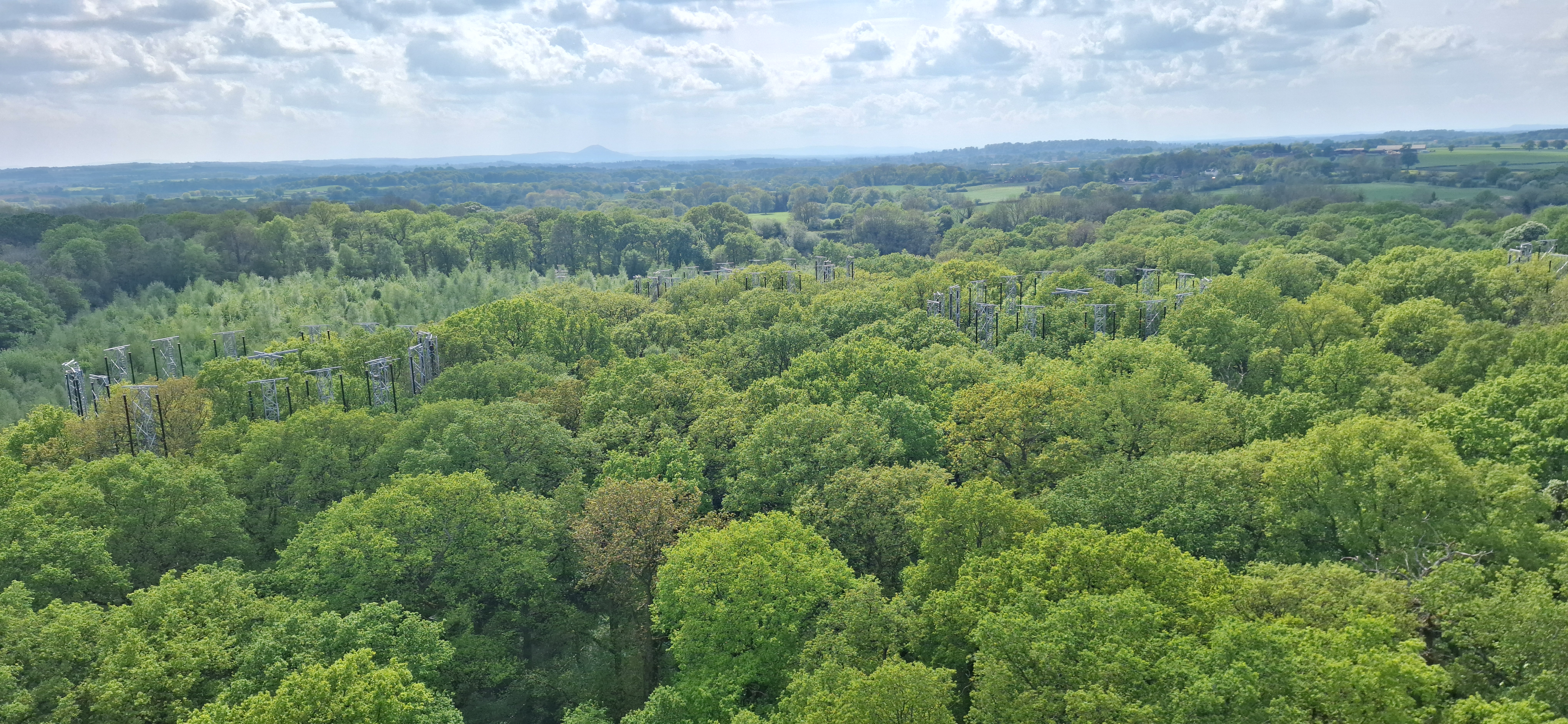
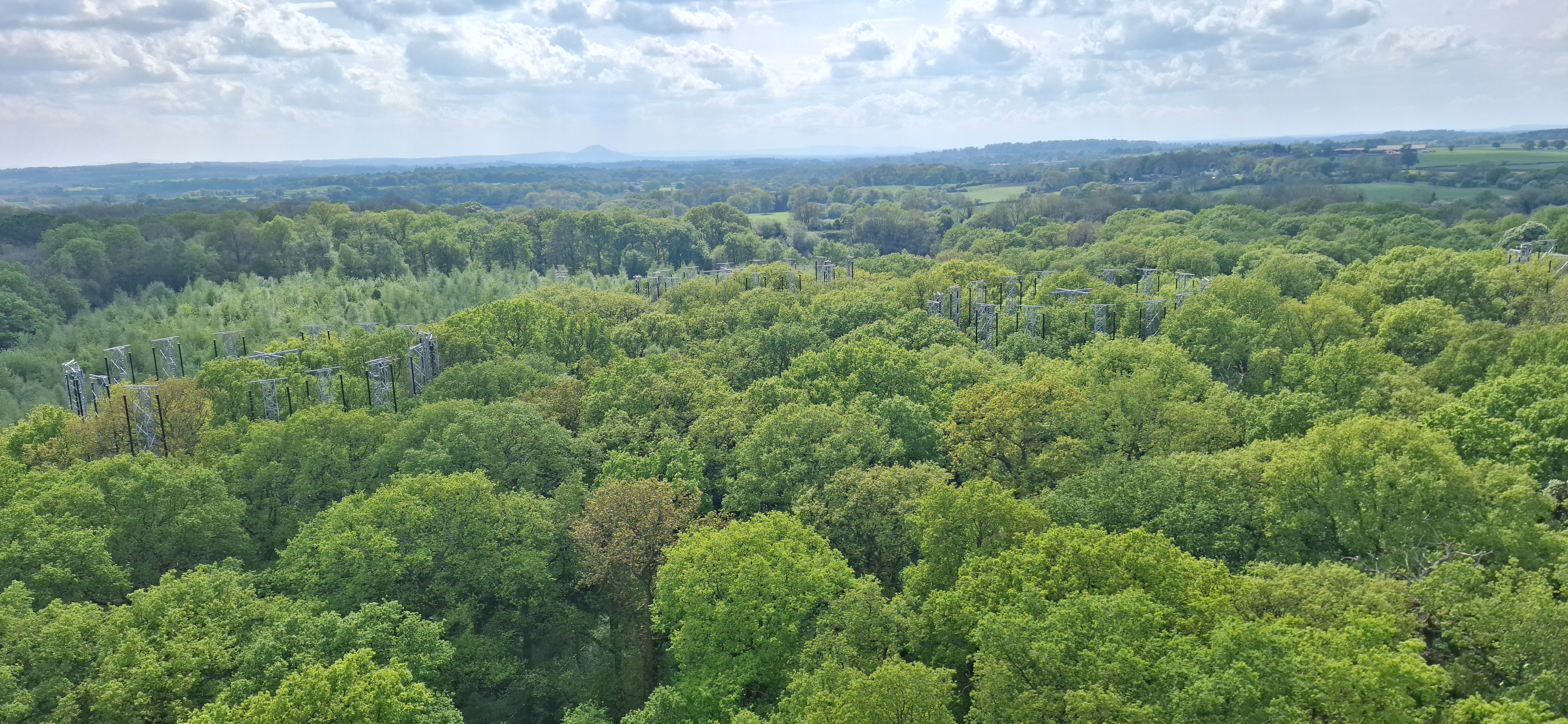
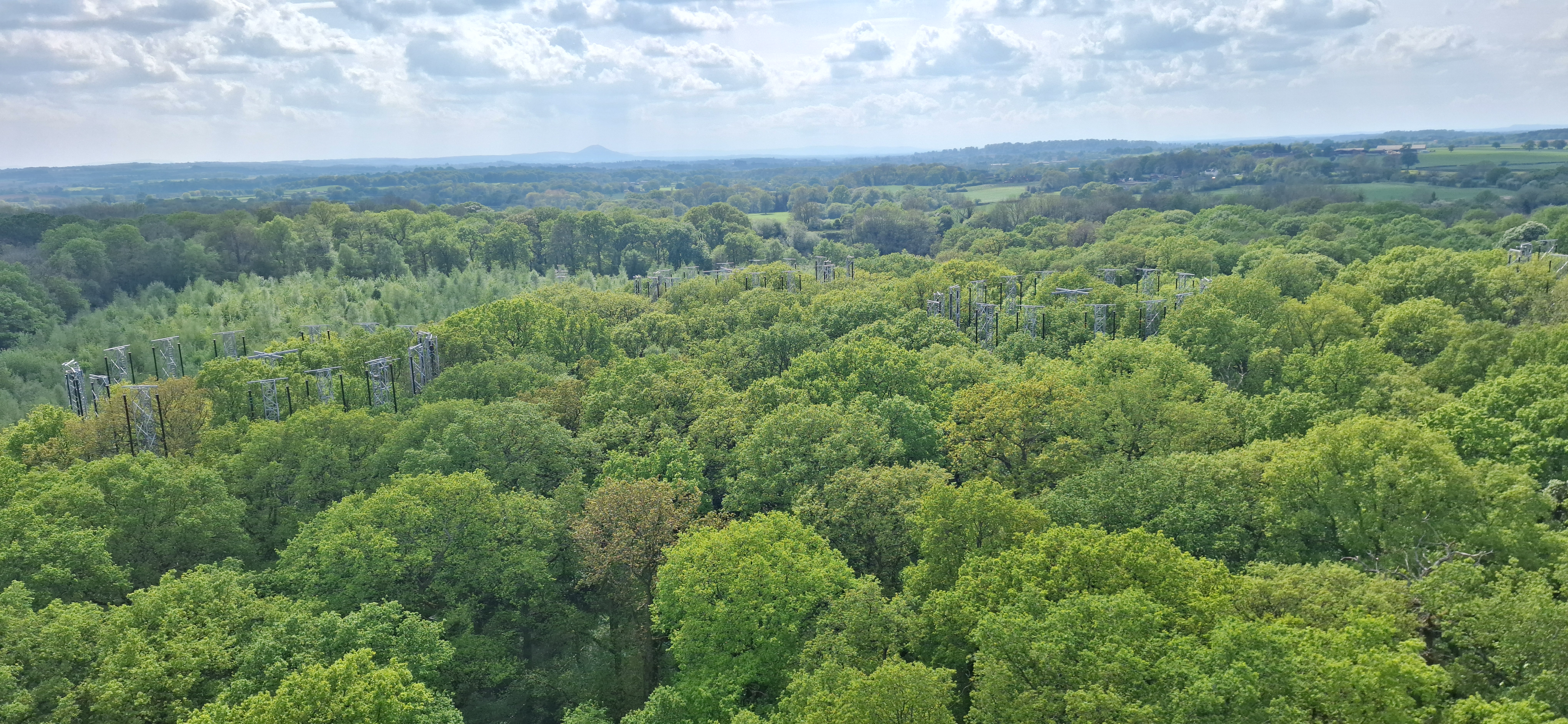
The FutureForests Doctoral Network is an EU-funded Marie Skłodowska-Curie’s Actions (MSCA) initiative, which aims to train 15 next generation scientists in assessing the impacts of global change on European forests utilising a unique network of European flagship field forest facilities covering the dominant forest types and regions (dry Mediterranean, temperate and boreal) in Europe. FutureForests connects nine manipulation facilities for addressing emerging research questions and engages >20 academic and associated partners (NGOs, Industry & Government organizations) for delivering an interdisciplinary, integrated and transferable career skills programme.
Individual projects within the FutureForests programme maps into four key interrelated science objectives with a focus on assessing responses of 1) tree functional processes including leaf metabolism, growth, C and water relations, 2) soil processes including nutrient cycling and soil organic matter dynamics, 3) impacts of global change on biodiversity and tree vulnerability to pest and diseases, and, 4) advancing modelling of forest responses to climate extremes and fire risk reduction. FutureForests combines excellent trainings for doctoral researchers, diverse supervisions and international mobility for impactful research to benefit society and the economy and to inform forest policies under the EU Green Deal and international climate mitigation efforts (Paris Climate Agreement, 2015). FutureForests is to provide next generation scientists with skills and knowledge “most wanted” in academic and non-academic employability sectors.
Here is a list of available Doctoral Studentships across Europe. Apply for one of the fifteen studentships by following available link or email to the studentship you choose.
Note that each studentship has its own deadline to apply this autumn. So check it before applying and make sure to check your eligibility requirements for these.

STUDENTSHIPS
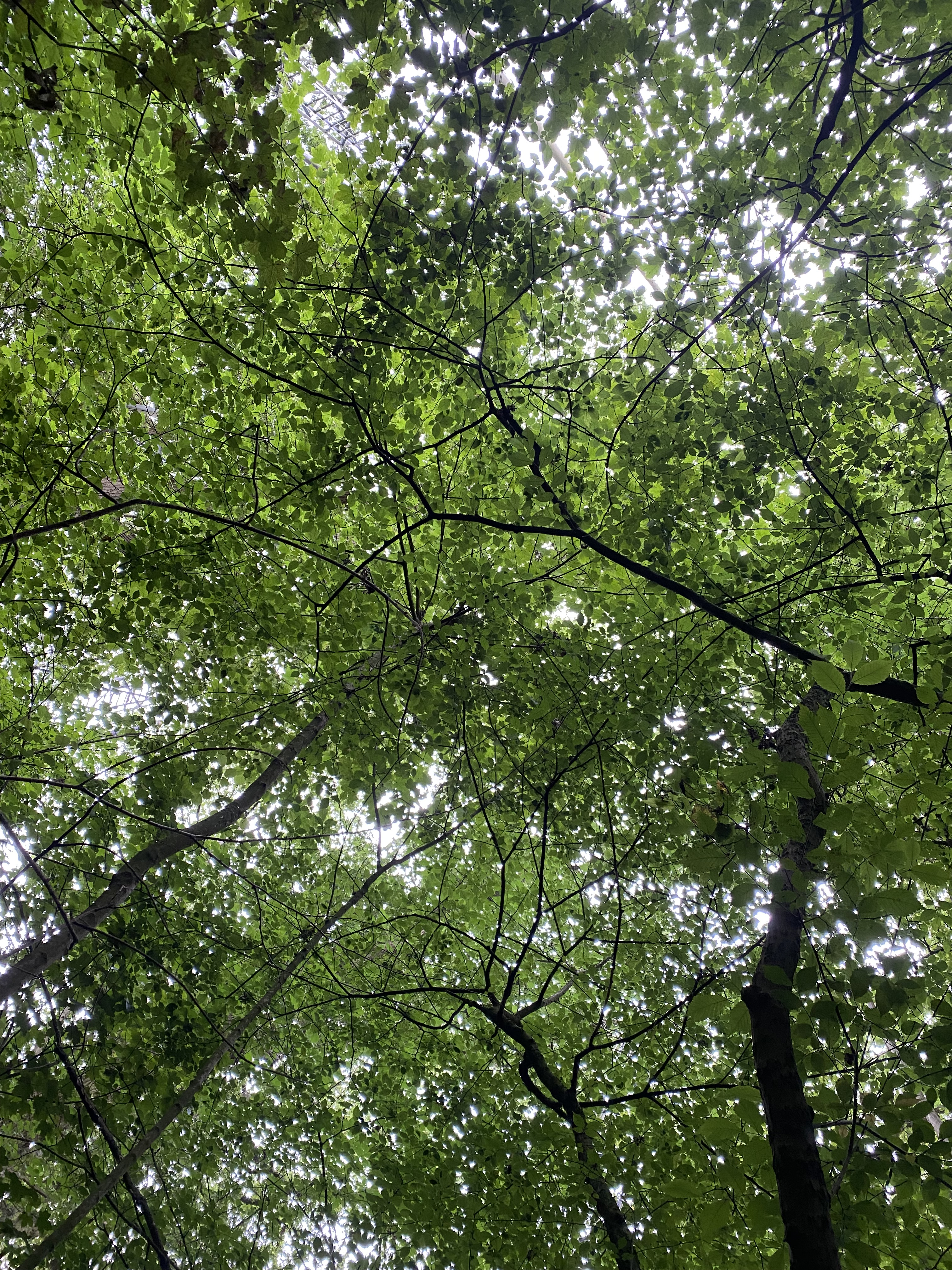
1. PhD studentship: Plant Ecophysiology at WSL, Switzerland.
Tree water and carbon dynamics in forests under atmospheric vs. soil drought
This Doctoral Researcher position at the Swiss Federal Institute for Forest, Snow, and Landscape Research (WSL) and EPFL, Lausanne, CH focuses on assessing changes in net photosynthesis, tree-water relations (stomatal conductance and tree water deficits) and C allocation (non-structural carbohydrates NSC) to test how drought affects leaf to whole tree ecophysiological processes that drive growth and carbon sequestration. The impact of whole-tree adjustments to atmospheric and soil moisture changes on vulnerability to drought-induced mortality will be determined using modelling. The work will be conducted primarily at the VPDrought experiment in Valais, CH.
Key objectives of this studentship are: 1) Assess changes in gas exchange regulation under varying atmospheric and soil humidity, 2) detect the underlying mechanisms driving altered growth and carbon sequestration, and 3) determine the consequences for mortality risks. Complementary analysis at selected manipulation facilities in Estonia (University of Tartu) and Germany (Technical University of Munich) will be undertaken to compare recurrent droughts and vapour pressure deficits’ impacts on plant growth and carbon dynamics under global change.
Application Details here in the link below.
https://euraxess.ec.europa.eu/jobs/369277: Plant Ecophysiology

2. PhD studentship in Tree water and carbon dynamics in forests under elevated air humidity and soil moisture, University of Tartu, Estonia
This PhD studentship (Junior Research Fellow position) at the Institute of Ecology and Earth Sciences at the University of Tartu, Estonia focuses on assessing the effects of elevated humidity and concomitant factors (foliage wetting, temperature decline, soil water excess) on boreal tree species functioning and growth in the Free Air Humidity Manipulation (FAHM) experiment facility.
Key objectives of this studentship are to elucidate the effect of elevated air humidity, soil water content, and foliar wetting on 1) whole-tree hydraulics and water relations, 2) carbon uptake and respiration (leaves and fine-roots), 3) biomass allocation and growth. Complementary analysis at selected manipulation facilities in Switzerland (Swiss Federal Institute for Forest, Snow, and Landscape Research (WSL) and EPFL, Lausanne) and United Kingdom (University of Birmingham) will be undertaken to compare [CO2], recurrent droughts and vapour pressure deficits’ impacts on plant growth and carbon dynamics under global change.
In terms of experience, we are looking for someone with a relevant background and a Master’s degree in Environmental Science, Biogeochemistry, Biology or related disciplines. Applicants should demonstrate strong communication skills, self-motivation, an aptitude for field research and a commitment to collaborative, interdisciplinary research.
Eligibility requirements:
- Must not have a doctoral degree (PhD) by the recruitment date
- Should comply with the MSCA mobility rules: in general, they must not have resided or carried out their main activity (work, studies, etc.) in the country of the recruiting organisation for more than 12 months in the 36 months immediately before their recruitment date (Jan 2026).
- Can be of any nationality
- Must hold a Master’s degree by the start date (Jan 2026).
- Should be enrolled in a doctoral programme during the project
- Good English proficiency and writing skills
- Be available to start full time from January 2026
Benefits:
- Full employment contract with competitive salary for three years.
- Living allowance (€3717.27/month pre-adjustment) in the EE, mobility allowance (€710/month), and family allowance if applicable (€495/month) adjusted for the cost of living in the host country (in this case EE).
- Access to state-of-the-art forest manipulation facilities, laboratories and expert supervision.
- International secondments and training events.
Application Process
Interested candidates are invited to apply for this position by contacting Dr. Priit Kupper (Priit.Kupper@ut.ee). Applications should be submitted by October 30, 2025 (midnight CEST) and should include the following documents:
- Curriculum Vitae
- A max wo-page cover letter for the applicant vision for the selected project and how they see meeting the essential criteria of the project
- BSc and MSc diplomas along with their translations in English
- If available, links to the scientific publications, degree or diploma theses.
- Contact details of at least two academic or professional references.
- Deadline to apply October 30, 2025 in this case.
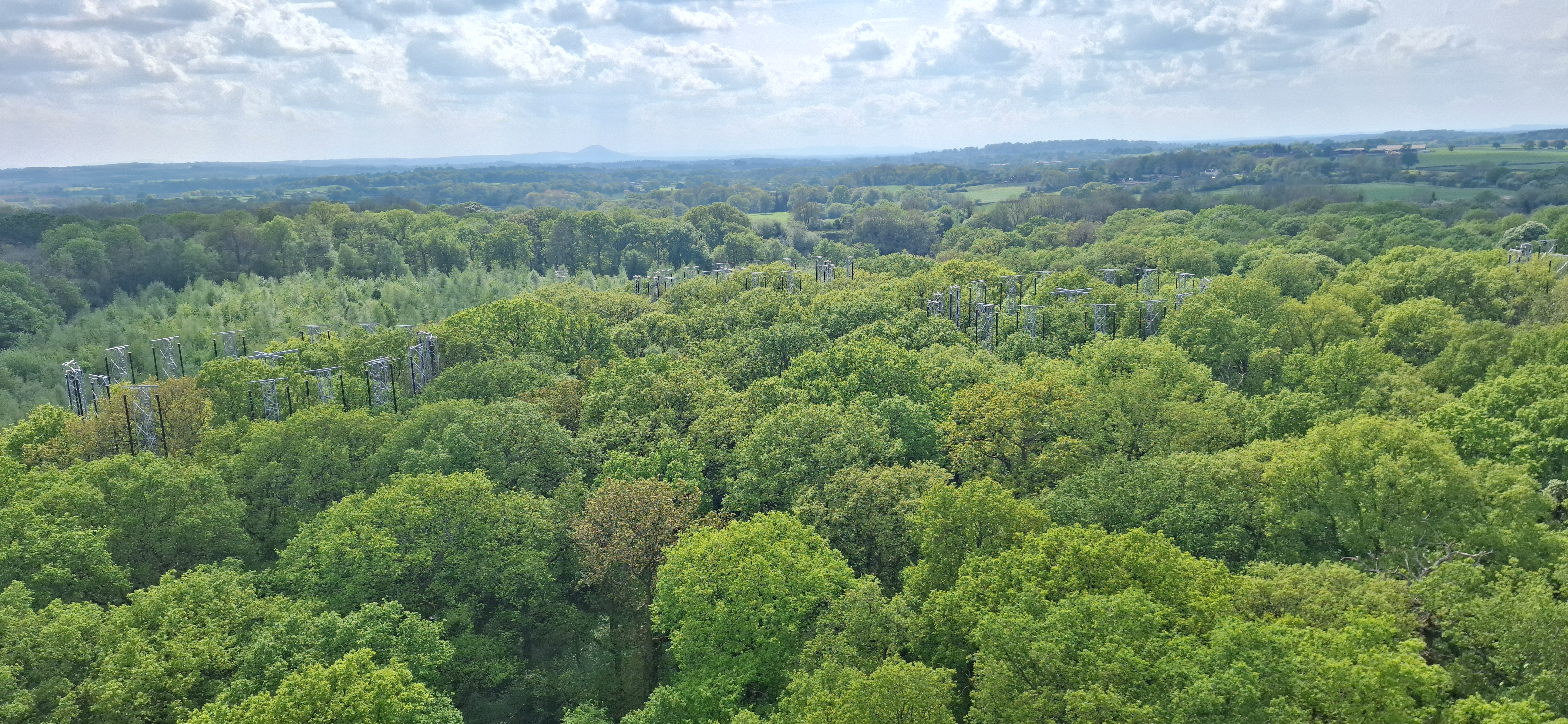
3. PhD studentship on Forests water and C responses under elevated CO2 and high temperatures a BIFoR-FACE, University of Birmingham
Brief Job Description: The University of Birmingham, UK wishes to recruit a Doctoral Research Fellow to support the work Dr Alice Gauthey. This post is available from 01/01/2026 for three years. The successful applicant will be responsible for undertaking research on the tree carbon dynamic and allocation under elevated carbon dioxide (CO2) concentrations and warmer temperatures (at BIFoR-FACE) as part the FutureForests Doctoral Network: an EU-funded Marie Skłodowska-Curie’s Actions (MSCA) initiative. Trees at BIFoR-FACE facility has been submitted to higher [CO2] for the past 9 years. Under CO2 enrichment, trees have shown increased photosynthesis resulting in greater woody biomass and enhanced water-use efficiency. However, whether these changes will be sustained under a warmer climate is still unknown. Objectives are: 1) Assess changes in gas exchange under eCO2 and warmer temperatures, 2) investigate the changes in carbon storage dynamics across the growing season and 3) improve our understanding of the interaction of CO2 and temperatures on forest dynamics through modelling. Complementary analysis will be undertaken at selected manipulation facilities in Germany and Estonia to compare eCO2, recurrent droughts and vapour pressure deficits impacts on carbon dynamics.
Person specifications: Applicants with relevant background and a master’s degree in environmental science and plant sciences, Biology or related disciplines. Applicants should demonstrate strong aptitude for field research and willingness to second to partner facilities. Applicants should comply with the MSCA mobility rules: in general, they must not have resided or carried out their main activity (work, studies, etc.) in the country of the recruiting organisation for more than 12 months in the 36 months immediately before their recruitment date (Jan 2026). Must not have a doctoral degree (PhD) by the recruitment date. Appointed candidate will be enrolled in a PhD programme.
The successful applicant will be able to present research progress and prepare manuscripts and write up of PhD thesis with three research chapters.
Application Process
Your complete application must be submitted through the applicant portal (see link here). The application should include the following documents:
- Curriculum Vitae
- A max two-page cover letter for the applicant vision for the selected project and how they see meeting the essential criteria of the project
- BSc and MSc diplomas along with their translations in English
- If available, links to the scientific publications, degree or diploma theses.
- Contact details of at least two academic/professional references.
Informal enquiries can be made to Dr Alice Gauthey (a.gauthey@bham.ac.uk)
Link for application: https://edzz.fa.em3.oraclecloud.com/hcmUI/CandidateExperience/en/sites/CX_6001/job/7877/?utm_medium=jobshare&utm_source=External+Job+Share
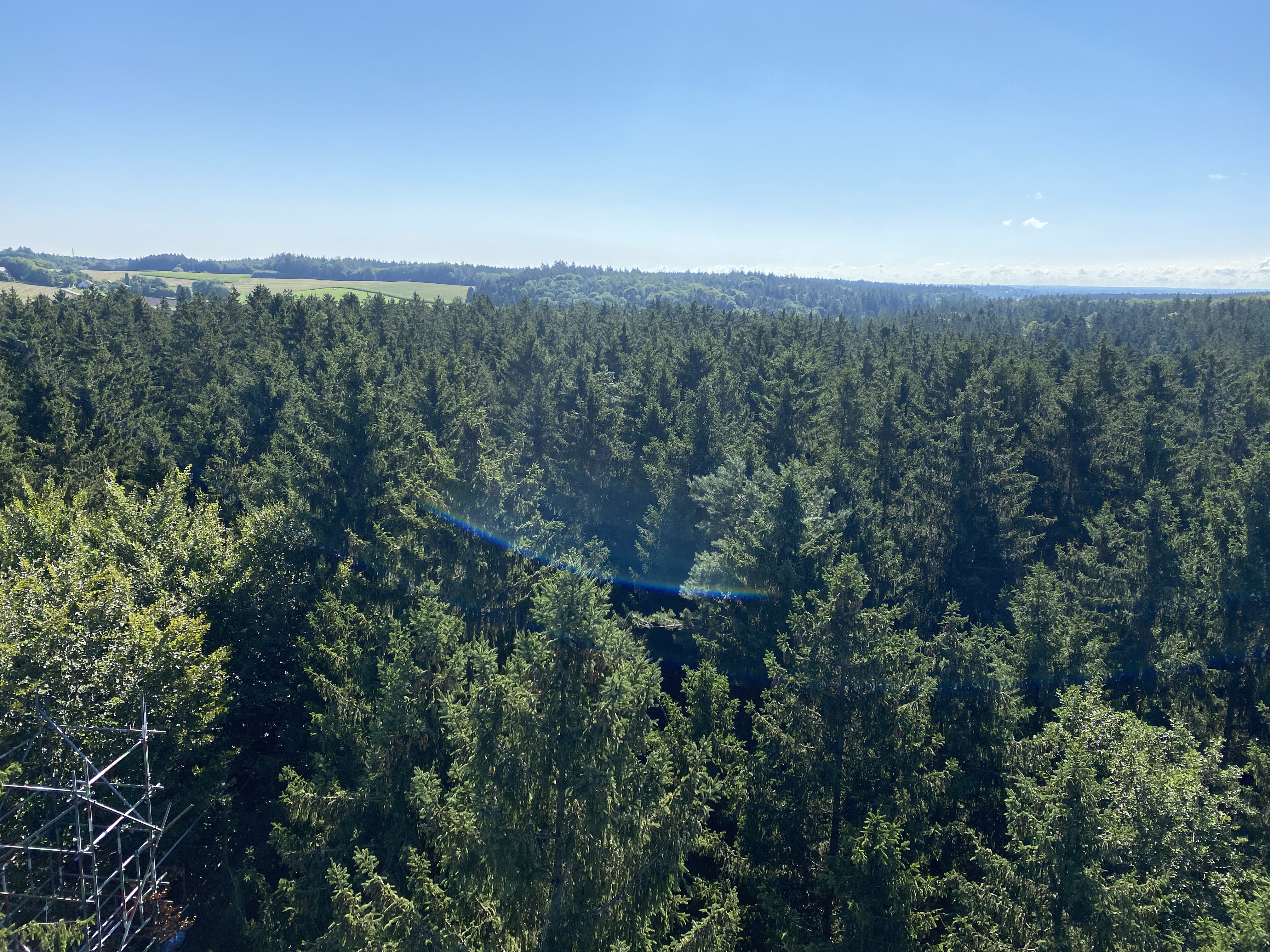
4. PhD studentship. Tree Water and Carbon Dynamics Under Recurrent Droughts, University of Innsbruck, Austria
This Doctoral Researcher positions at the University of Innsbruck aims to understand the impacts of recurrent droughts on tree species in a long-term experiment performed at a mountain forest in the Austrian Central Alps and will focus on tree water and carbon dynamics and on soil-related processes. Key objectives of the studentship (DR 04) are to: 1) Assess the effects of recurrent droughts on tree water relations under varying atmospheric and soil humidity, 2) detect the mechanisms driving altered tree growth and carbon sequestration, and 3) analyze the role of soil processes for tree carbon and water dynamics. Complementary analysis at selected manipulation facilities in Germany (Technical University of Munich) and Switzerland (WSL) will be undertaken to compare the effects of recurrent droughts and vapour pressure deficits tree carbon and water dynamics.
In terms of experience, we are looking for someone with a relevant background and a Master’s degree in Biology, Ecology, Ecophysiology, Environmental Science, Biogeochemistry or related disciplines. Applicants should demonstrate strong communication skills, self-motivation, an aptitude for field research and a commitment to collaborative, interdisciplinary research.
Eligibility requirements:
• Must not have a doctoral degree (PhD) by the recruitment date
• Should comply with the MSCA mobility rules: in general, they must not have resided or carried out their main activity (work, studies, etc.) in the country of the recruiting organisation for more than 12 months in the 36 months immediately before their recruitment date (Jan 2026).
• Can be of any nationality
• Must hold a Master’s degree by the start date (Jan 2026).
• Should be enrolled in a doctoral programme during the project
• Good English proficiency and writing skills
• Be available to start full time from January 2026
Benefits:
• Full employment contract with competitive salary for three years.
• Living allowance (Living allowance (annual gross salary: 14 * €3.714,80), mobility allowance (€710/month), and family allowance if applicable (€495/month), adjusted for the cost of living in the host country.
• Access to state-of-the-art forest manipulation facilities, laboratories and expert supervision.
• International secondments and training events.
• become part of the Innsbruck Doctoral College ‘Alpine Biology and Global Change’, which offers a range of additional benefits, incl. networking in a broad multidisciplinary group of early career scientists and their advisors:
Application Process
Informal inquiries to Prof. Dr. Michael Bahn (email: Michael.Bahn@uibk.ac.at).
Application details and how to apply, use the Link Here at EURAXES
https://www.euraxess.at/jobs/378030
Application Deadline: October 15, 2025

5. PhD studentship. Effects of understory removal on C sequestration, fire risk and soil biodiversity in Mediterranean pine forests at Hellenic Agricultural Organization Dimitra – Forest Research Institute, Greece
This Doctoral Researcher position at ELGO-FRI (Hellenic Agricultural Organization Dimitra – Forest Research Institute) and Department of Biology, National and Kapodistrian University of Athens focuses on assessing how understory shrub removal affects C sequestration, soil biodiversity and fire risk. ELGO-FRI is monitoring the responses of a natural Aleppo pine forest to climate change at the Sani Environmental Observatory (SEO) since 2017. In 2024, understory manipulation (removal) was initiated from the local forest authorities in part of the monitoring plots to minimise fire fuel, but its effects on forests C sequestration, soil biodiversity and fire risk are not evaluated yet. This may greatly affect the soil biodiversity and the C sequestration of the ecosystem as the removed shrub vegetation is a biomass pool with a fast annual growth. To address these questions, all C stocks will be quantified with biometric assessments and allometric models, and the C fluxes (litterfall, fine root turnover, annual increments, leaf assimilation and soil emissions) will be assessed with sampling and gas exchange measurements. Monitoring of the microclimatic conditions and leaf/tree water relations will be performed. Key objectives of this studentship are:1) to quantify the contribution of understory shrub vegetation on C fluxes (litterfall, fine root production, annual growth) and stocks (soil organic carbon, deadwood, above- and below-ground biomass, forest floor), through biometric and ecophysiological measurements (inventory data, leaf and soil gas exchange measurements and eddy covariance assessments), 2) to describe the effect of understorey removal on soil communities and soil processes (litter decomposition) and fluxes (autotrophic and heterotrophic respiration), 3) to assess leaf water relations as a proxy of fire risk. Complementary soil biodiversity analyses will be undertaken at Aix Marseille University, France (AMU). Field research at the soil warming and Nitrogen deposition manipulation sites at University of Bologna, Italy (UNIBO), and training at Scientific Enterprises Ltd, Greece (SEL) in microclimate instrumentation for environmental monitoring is also envisaged. Host Institution: Hellenic Agricultural Organization (ELGO) Dimitra – Forest Research Institute (FRI) / PhD Enrollment: National and Kapodistrian University of Athens, Greece. About you: we are seeking a candidate with a relevant background and a Master’s degree in Environmental Sciences, Chemistry, Biogeochemistry, Biology, Forestry or related disciplines. Applicants should demonstrate strong communication skills, self-motivation, an aptitude for field research and a commitment to collaborative, interdisciplinary research.
Eligibility requirements:
- Must not have a doctoral degree (PhD) by the recruitment date
- Should comply with the MSCA mobility rules: in general, must not have resided or carried out their main activity (work, studies, etc.) in the country of the recruiting organisation for more than 12 months in the 36 months immediately before their recruitment date (Jan 2025).
- Can be of any nationality
- Must hold a Master’s degree by the start date (Jan 2026).
- Should be enrolled in a doctoral programme during the project
- Good English proficiency and writing skills
- Be available to start full time from January 2026
- Compliance with DR regulations of National and Kapodistrian University of Athens (see also application process)
Benefits:.
Application Process
Interested candidates are invited to apply for this position by contacting Dr. Mariangela Fotelli (fotelli@elgo.gr) and Dr. Nikolaos Fyllas (nfyllas@biol.uoa.gr). Applications should be submitted (to both supervisors) by October 15, 2025 (midnight Greece Time). Further details on the application process in the LINK here.
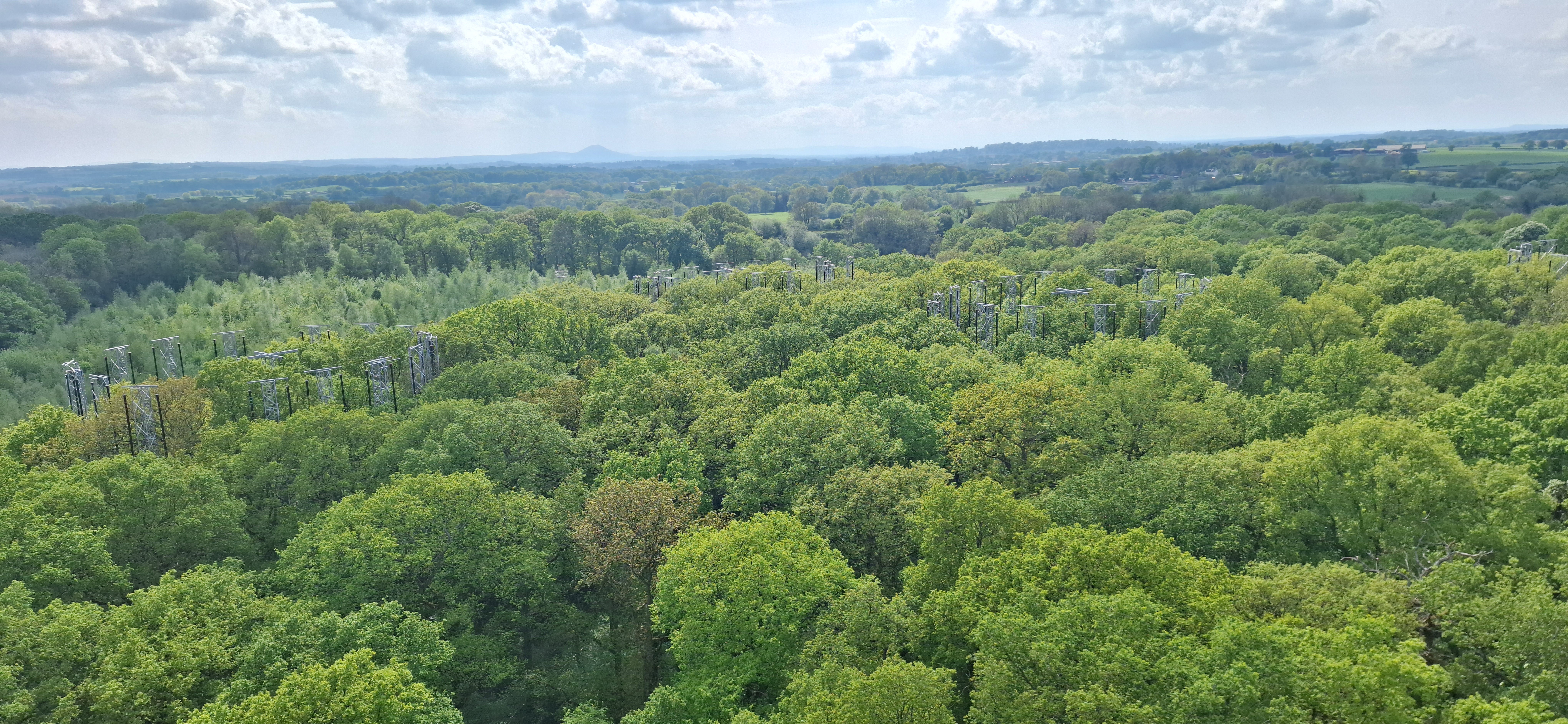
6. PhD studentship on Biochemical and metabolic stress signalling in trees under drought at the University of Innsbruck, Austria
The project aims to understand the impacts of recurrent droughts on tree species in a long-term experiment performed at a mountain forest in the Austrian Central Alps and will focus on understanding tree stress response to drought at the biochemical and molecular level.
Key objectives are to: 1) Assess the effects of recurrent droughts on tree physiology, 2) relate physiological parameters to key stress markers, including antioxidants, plant hormones and flavonoids using HPLC / UHPLC-MS, 3) investigate changes in leaf metabolism using untargeted GC-MS-based metabolite profiling and other omics-techniques. Complementary research will be conducted at other manipulation facilities, including at the University of Birmingham to study the effects of drought in combination with elevated CO2.
In terms of experience, we are looking for someone with a relevant background and a Master’s degree in Biology, Botany, Molecular Biology, Chemistry, Biochemistry, or related disciplines. Applicants should demonstrate strong communication skills, self-motivation, an aptitude for lab research while not shying away from field research, and a commitment to collaborative, interdisciplinary research.
Eligibility requirements:
• Must not have a doctoral degree (PhD) by the recruitment date
• Should comply with the MSCA mobility rules: in general, they must not have resided or carried out their main activity (work, studies, etc.) in the country of the recruiting organisation for more than 12 months in the 36 months immediately before their recruitment date (Jan 2026).
• Can be of any nationality
• Must hold a Master’s degree by the start date (Jan 2026)
• Must be enrolled in a doctoral programme during the project
• Good English proficiency and writing skills
• Experience with lab work, including the operation of technical equipment and with quantitative data analysis; experience with field work is desirable; experience with analyzing complex data sets, e.g. omics-data sets, is desirable
• Be available to start full time from January 2026
Benefits:
• Full employment contract with competitive salary for three years.
• Living allowance (annual gross salary: 14 * €3.714,80), mobility allowance (€710/month), and family allowance if applicable (€495/month).
• Access to state-of-the-art laboratories and field manipulation facilities, and expert supervision.
• International secondments and training events.
• Being part of the Innsbruck Doctoral College ‘Alpine Biology and Global Change’, which offers a range of additional benefits, incl. networking in a broad multidisciplinary group of early career scientists and their advisors.
Application Process
Informal enquiries via contacting Prof. Dr. Ilse Kranner (email: ilse.kranner@uibk.ac.at). Applications should be submitted by October 30, 2025 (midnight CEST) and should include the following documents:
APPLICATION process: Follow the line here in EURAXES for application details
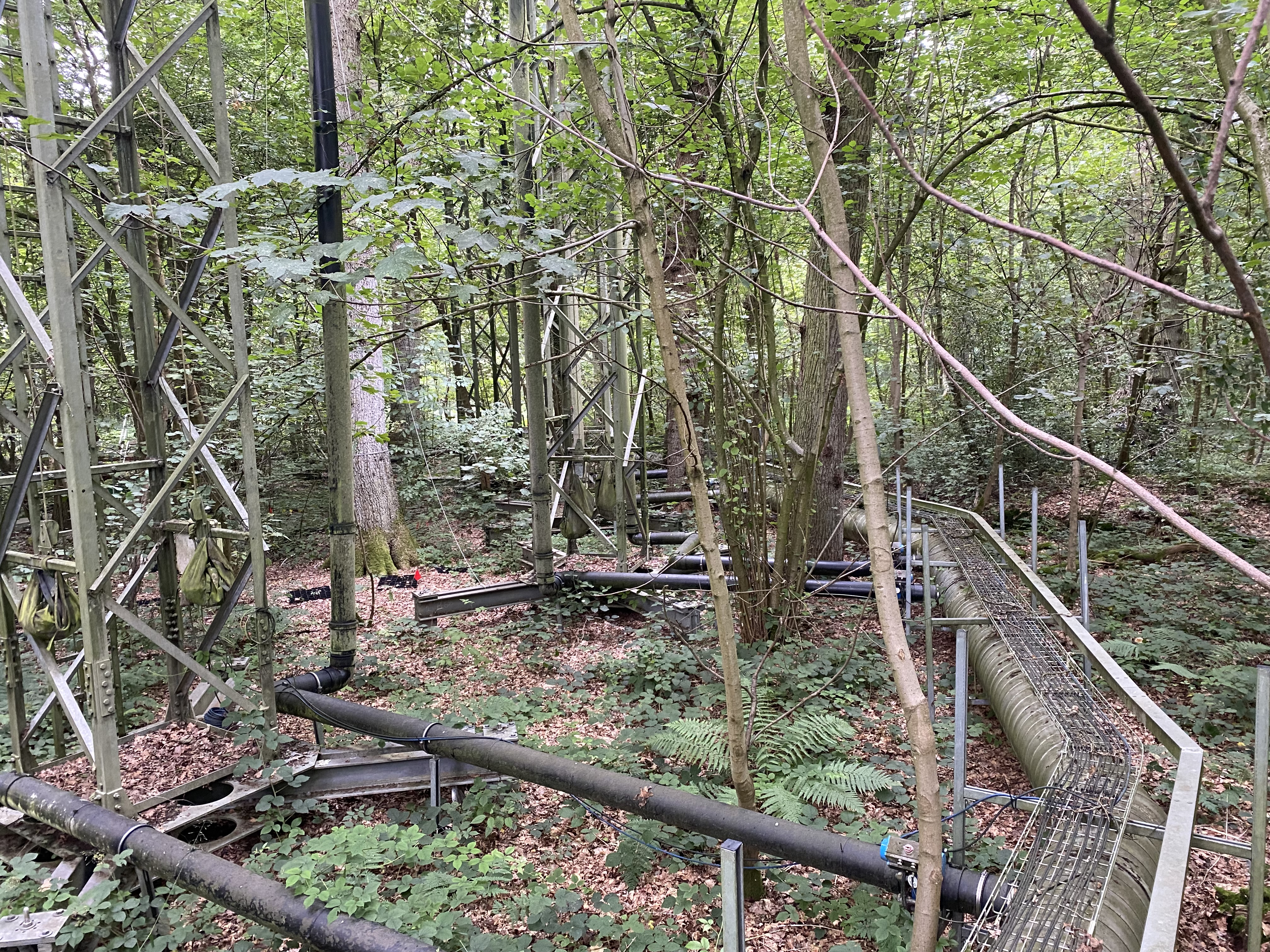
7. PhD studentship in Soil Biogeochemistry at WSL, Switzerland
Based at WSL Birmensdorf, you will investigate the effects of drought on organic matter turnover and carbon storage in the soil in the VPDrought experiment (Valais, Switzerland). The research will involve measuring soil microbial communities, as well as carbon and nitrogen pools and fluxes, using stable isotope and radiocarbon techniques. Complementary analysis will be conducted at selected manipulation facilities in Estonia (University of Tartu), Austria (University of Innsbruck) and Germany (Technical University of Munich) to compare the impacts of recurrent droughts on soil processes under global change.
You hold a master’s degree in environmental science, soil science, microbiology, or a related discipline. You demonstrate strong communication skills, self-motivation, an aptitude for field research, and a commitment to collaborative, interdisciplinary work. Good written and spoken English skills are required. Moreover, you should comply with the MSCA mobility rules: you must not have resided or carried out your main activity (work, studies, etc.) in the country of the recruiting organization for more than 12 months in the 36 months immediately before your recruitment date (January 2026).
Application details and link below.
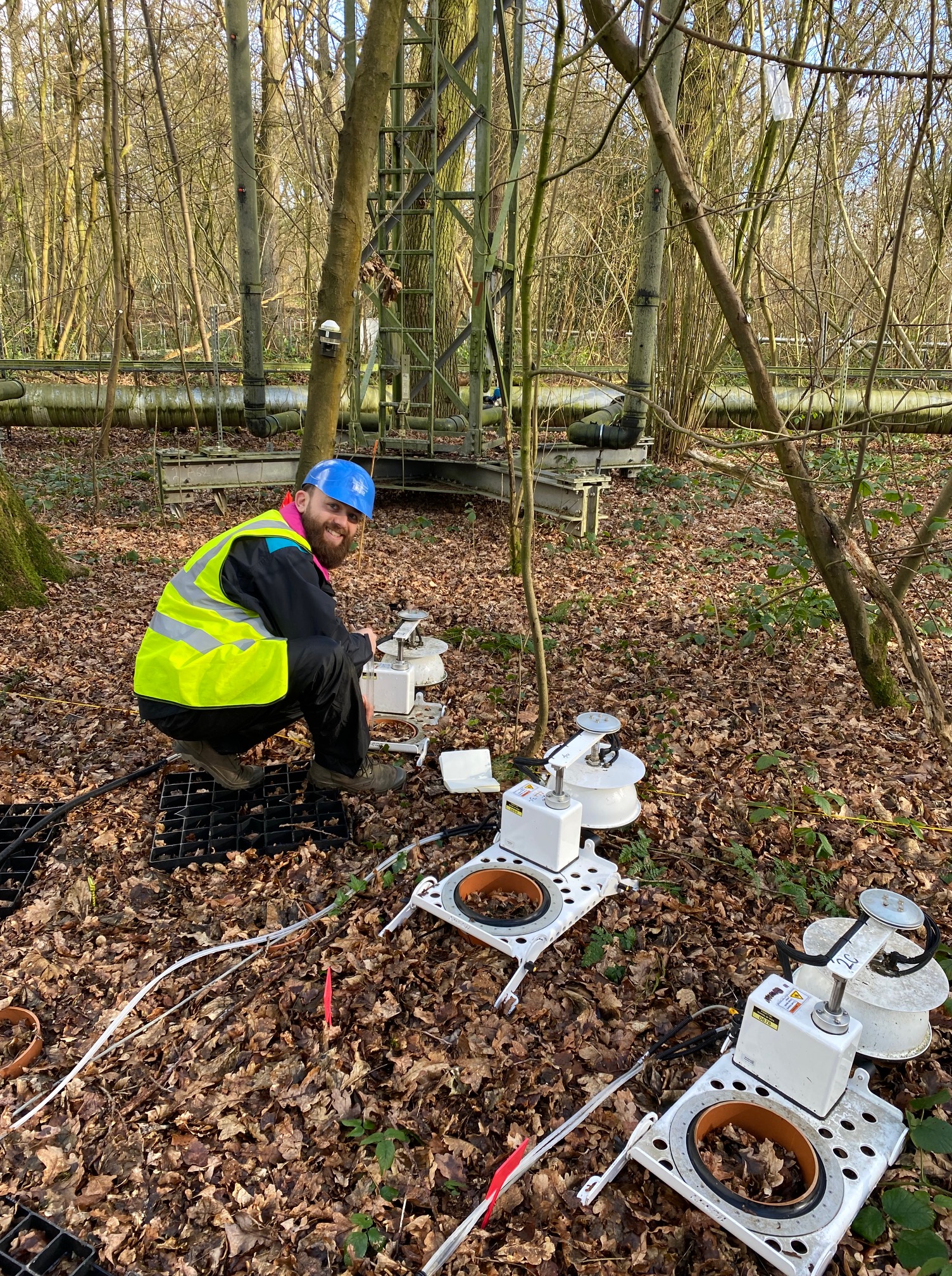
8. PhD Studentship. on Assessing soil carbon dynamics under elevated CO2 at BIFoR-FACE, University of Birmingham, UK.
Brief Job Description: The University of Birmingham, UK wishes to recruit a Doctoral Research Fellow to support the work of Professor Sami Ullah. This post is available from 01/01/2026 for three years. The successful applicant will be responsible for undertaking research on assessing the trade-offs of soil organic carbon for biomass carbon gain in temperate forests under elevated atmospheric CO2 enrichment (at BIFoR-FACE) as part the FutureForests Doctoral Network, an EU-funded Marie Skłodowska-Curie’s Actions (MSCA) initiative. Over the last 9 years of CO2 enrichment at BIFoR-FACE, mineralization of soil organic matter (SOM) increased significantly to meet enhanced tree nitrogen demands. The faster nitrogen supply in soils is driven by enhanced root exudation into the rhizosphere together with increased fine root biomass and mycorrhizal turnover for rhizosphere priming for nutrient acquisition. This raises a question if enhanced N acquisition via SOM mineralization may result in trading stable soil carbon via enhanced decomposition for tree carbon gains. Objectives are to 1) Assess changes in the quantity and quality of SOM in soils using fractionations and solid state NMR spectroscopy and, 2) investigate soil enzyme functions, and N mineralization in fresh soils following 10 years of eCO2 enrichment.
Person specifications: Applicants with relevant background and a master’s degree in Environmental Science and Chemistry, Biology or related disciplines. Applicants should demonstrate strong aptitude for field research and willingness to second to partner facilities in Europe for research (Germany, Austria & Italy). Applicants should comply with the MSCA mobility rules: in general, they must not have resided or carried out their main activity (work, studies, etc.) in the country of the recruiting organisation for more than 12 months in the 36 months immediately before their recruitment date (Jan 2026). Must not have a doctoral degree (PhD) by the recruitment date. Appointed candidate will be enrolled in a PhD programme.
The successful applicant will be able to present research progress and prepare manuscripts and write up of PhD thesis with three research chapters.
Application Process
Application deadline: October 7, 2025
Your complete application must be submitted through the applicant portal (LINK for APPLICATION). The application should include the following documents:
- Curriculum Vitae
- A max two-page cover letter for the applicant vision for the selected project and how they see meeting the essential criteria of the project
- BSc and MSc diplomas along with their translations in English
- If available, links to the scientific publications, degree or diploma theses.
- Contact details of at least two academic/professional references.
Informal enquiries can be made to Prof. Sami Ullah (s.ullah@bham.ac.uk)
Application link: Detail in EURAXES LINK here or the link below for application by October 15th. 2025
9. PhD studentship. Impacts of increasing N deposition on ecosystem N retention and productivity of a mature beech forest, at the University of Bologna, Italy
Doctoral Researcher position at the University of Bologna, DISTAL (Italy) focuses on Impacts of increasing nitrogen deposition on ecosystem N retention and productivity of a mature beech forest. The experimental site in Cansiglio is a eutrophic mature beech forest, where the atmospheric nitrogen deposition has been above the critical loads for nitrogen for decades. Here a manipulation experiment has been active since 2015, including both below and above canopy nitrogen misting. Key objectives of this studentship are to investigate how the simulated increase in nitrogen deposition is affecting forest productivity and whether it is altering ecosystem nitrogen dynamics. Main questions are: Does the extra nitrogen alter the balance between nitrogen retention and loss from the ecosystem? Can we detect signs of nitrogen saturation and how this affects tree growth, water-use efficiency and ecosystem productivity? Can we detect differences between the two manipulative approaches (below vs. above canopy fertilization) in terms of ecosystem nitrogen dynamics and tree responses? The PhD student will combine natural 15N abundance and 15N tracer experiment across the forest profile (year 1) with dendroecological measurements (including d13C in tree rings) and quantification of above ground productivity (year 2).
The PhD student will be vising the WSL in Switzerland (2 months) and the University of Birmingham in the UK (2 months) to get training on 15N applications and novel techniques to assess soil N losses; moreover, he/she will second at the Environmental Protection Agency of Aosta Valley to get training on linking science and policy and outreach technique.
We are looking for a candidate with a master’s degree in environmental science, Forestry Science, Biology or a related field, and with a strong background in forest ecology, biogeochemistry, plant physiology, and stable isotopes ecology. Applicants should demonstrate strong communication skills, self-motivation, an aptitude for field research and a commitment to collaborative, interdisciplinary research .
Eligibility requirements:
● Must not have a doctoral degree (PhD) by the recruitment date
● Should comply with the MSCA mobility rules: in general, they must not have resided or carried out their main activity (work, studies, etc.) in the country of the recruiting organization for more than 12 months in the 36 months immediately before their recruitment date (Jan 2025).
● Can be of any nationality
● Must hold a master’s degree by the start date (October 31st 2025).
● Must have been obtained a Master’s degree within 6 years from the date of recruitment
● Good English proficiency and writing skills
● Be available to start full time from January 2026
For applications, pleaase, follow the link and the deadline to apply is September 30th. Link here
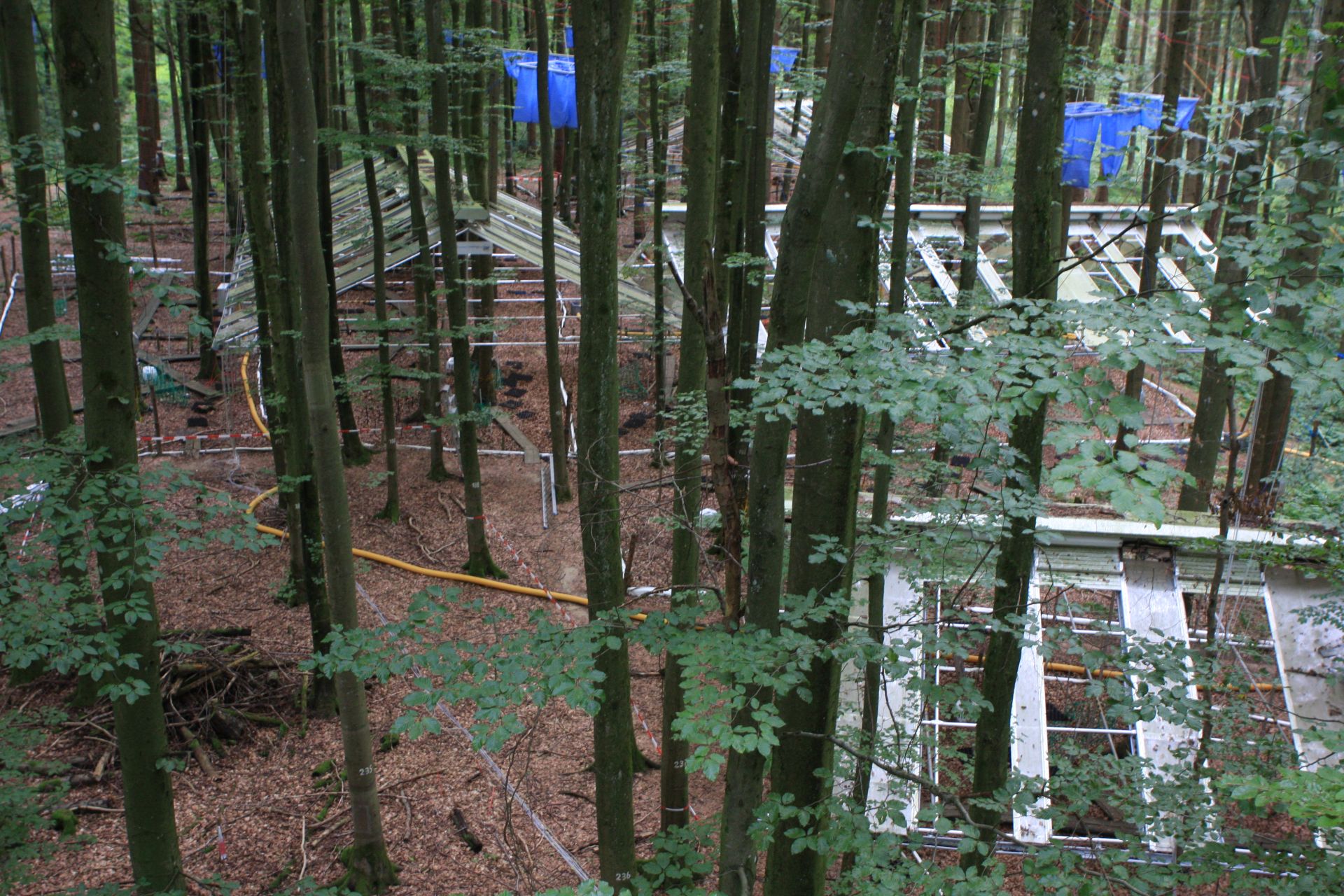
10. PhD studentship in tree carbon allocation to the rhizosphere and related microbial processes as well as changes of biodiversity in forest soils under recurrent drought at Technical University of Munich, Germany
This studentship aims to understand the impact of recurrent droughts on the allocation of carbon by trees to the rhizosphere and related processes, as well as the effect on soil microbial diversity. The experimental forest site is a throughfall exclusion study in southern Germany that has undergone long-term drought treatments since 2014 (KROOF: https://www.lss.ls.tum.de/en/lsai/kroof/). You will use this unique experimental setup, in which drought-naïve trees are subjected to recurrent drought summers for the first time, to make comparisons with trees that have experienced this treatment before (legacy trees).
The key objectives of the studentship (DR 10) are the following: 1) We assess changes in soil microbial biodiversity under European beech and Norway spruce grown in mono-specific and mixed stands in response to experimentally induced summer drought. 2) Using stable carbon isotope labelling, we study the sustained support of root-soil systems of mature trees under intense summer drought. 3) Study the persistence of belowground structures (e.g. fine roots, mycorrhizae) in the rhizosphere of mature trees under drought conditions.
In terms of experience, we are looking for a dynamic, highly motivated person with a relevant background and a Master’s degree in Biology, Soil microbiology, Ecophysiology, Biogeochemistry or related disciplines. Applicants should demonstrate strong communication skills, self-motivation, an aptitude for process-oriented field research and a commitment to collaborative, interdisciplinary research. Experience with soil microbial methods, stable isotopes and statistical data analysis (R), as well as a driving license, would be advantageous.
Eligibility requirements:
• Must not have a doctoral degree (PhD) by the recruitment date
• Should comply with the MSCA mobility rules: in general, they must not have resided or carried out their main activity (work, studies, etc.) in the country of the recruiting organisation for more than 12 months in the 36 months immediately before their recruitment date (Feb 2026).
• Can be of any nationality
• Must hold a Master’s degree by the start date (Feb 2026).
• Should be enrolled in a doctoral programme during the project
• Good English proficiency and writing skills
• Be available to start full time from February 2026
Benefits:
• Full employment contract with competitive salary for three years.
• Living allowance (Living allowance €4058/month pre-adjustment), mobility allowance (€710/month), and family allowance if applicable (€660/month), adjusted for the cost of living in the host country (in this case Germany).
• Access to state-of-the-art forest manipulation facilities, laboratories and expert supervision.
• International secondments and training events.
• Become part of the TUM Graduate School of Life Sciences, which offers a range of additional benefits, incl. networking in a broad multidisciplinary group of early career scientists.
Application Process
Interested candidates are invited to apply for this position by contacting Prof. Dr. Thorsten Grams (email: grams@tum.de). Applications should be submitted by October 15, 2025 (midnight CEST) and should include the following documents:
1. Curriculum Vitae
2. A max two-page cover letter describing the applicant’s vision for the selected project and how they see meeting the essential criteria of the project
3. BSc and MSc diplomas, along with their translations in English
4. If available, links to the scientific publications, degree or diploma theses.
5. Contact details of at least two academic or professional references.
For additional information about the research project and this individual position, please contact Prof. Dr. Thorsten Grams (grams@tum.de) and see the homepage of the KROOF project (https://www.lss.ls.tum.de/en/lsai/kroof/).
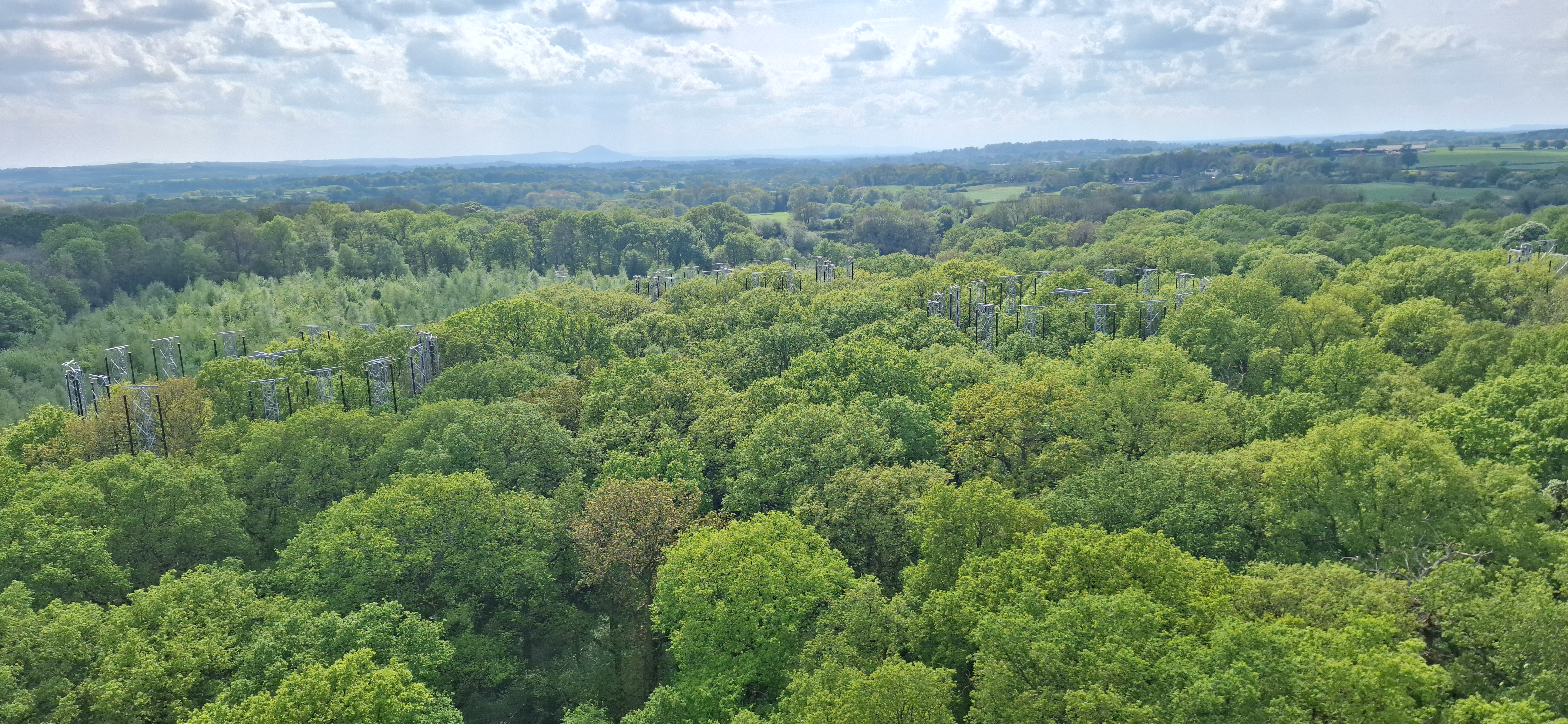
11. . PhD studentship on Forest Defence to Pests and Pathogens under elevated CO2 at BIFoR-FACE, UK
Brief Job Description: The University of Birmingham, UK wishes to recruit a Doctoral Research Fellow to support the work Prof. Estrella Luna Diez. This post is available from 01/01/2026 for three years. This research focuses on assessing the defence capacity of mature trees against biotic stresses under elevated CO₂ (eCO₂) at Birmingham Institute of Forest Research’s Free Air CO2 Enrichment (BIFoR-FACE) as part the FutureForests Doctoral Network:an EU-funded Marie Skłodowska-Curie’s Actions (MSCA) initiative. Project objectives include 1) Track disease and insect damage in mature trees to assess whether eCO₂ increases vulnerability to biotic stress under varying climate conditions, 2) analyse molecular and structural changes, including transcriptomic responses and cell wall modifications (e.g. callose deposition), to reveal how defence pathways are altered under eCO₂ and 3) experimentally simulate heat stress on collected leaves to explore how abiotic factors interact with CO₂ in shaping immune priming. Complementary analysis will be conducted at the drought manipulation facility at the University of Innsbruck, Austria.
Person specifications: Applicants with relevant a relevant background and a Master’s degree in plant biology, molecular biology, environmental science, or a related field, and a strong interest in plant-environment interactions. Applicants should demonstrate strong aptitude for field research and willingness to second to partner facilities. Applicants should comply with the MSCA mobility rules: in general, they must not have resided or carried out their main activity (work, studies, etc.) in the country of the recruiting organisation for more than 12 months in the 36 months immediately before their recruitment date (Jan 2026). Must not have a doctoral degree (PhD) by the recruitment date. Appointed candidate will be enrolled in a PhD programme. The successful applicant will be able to present research progress and prepare manuscripts and write up of PhD thesis with three research chapters.
Application Process
Your complete application must be submitted through the applicant portal (see link here for application details). The application should include the following documents:
- Curriculum Vitae
- A max two-page cover letter for the applicant vision for the selected project and how they see meeting the essential criteria of the project
- BSc and MSc diplomas along with their translations in English
- If available, links to the scientific publications, degree or diploma theses.
- Contact details of at least two academic/professional references.
Informal enquiries can be made to Prof. Estrella Luna Diez (e.lunadiez@bham.ac.uk)
Application Link
12. PhD studentship on nitrogen deposition impacts on forest biodiversity (including forest microbiome) at the University of Bologna, Italy
This Doctoral Researcher position at the University of Bologna, DISTAL (Italy) focuses on nitrogen deposition impacts on forest biodiversity (including forest microbiome). The experimental site in Cansiglio is a eutrophic mature beech forest, where the atmospheric nitrogen deposition has been above the critical loads for nitrogen for decades. Here a manipulation experiment has been active since 2015, including both below and above canopy nitrogen misting. Key objectives: The project aims at providing a holistic assessment on whether and how simulated increase in nitrogen deposition on a beech forest alters richness and functional diversity of understory vegetation and forest microbiomes (including both phyllosphere and rhizosphere). Can we observe a difference between canopy and soil fertilisation in the understory vegetation and microbial community structures and functional profiles? Are microbial functions associated with soil nitrogen losses more abundant in soil vs. above canopy fertilisation? To answer these questions, the PhD will be considering a multidisciplinary approach combining understory vegetation surveys and functional characterization, with microbial DNA/RNA 16S and ITS sequencing analyses. The PhD will be collaborating closely to the other PhD student hired within FutureForests, focusing on biogeochemical and ecophysiological processes.
The PhD will have the opportunity to visit the UK Centre for Ecology &Hydrology (where a novel manipulation experiment is currently carried out, simulating an increase in ammonia deposition via ammonia fumigation in a forest) and the Hellenic Agricultural Organization Dimitra – Forest Research Institute (Greece) for conducting research on soil microbiome; moreover he/she will second to Ente di gestione per Parchi e la Biodiversità – Romagna (Italy) for 1 month to learn about forest management for biodiversity conservation in regional park.
We are looking for a candidate with a master’s degree in environmental science, Forestry Science, Biology, Environmental Biotechnology, or a related field, and with a strong background in forest ecology, Biogeochemistry, environment microbiology, bioinformatics. Applicants should demonstrate strong communication skills, self-motivation, an aptitude for field research and a commitment to collaborative, interdisciplinary research.
Eligibility requirements:
- Must not have a doctoral degree (PhD) by the recruitment date
- Should comply with the MSCA mobility rules: in general, they must not have resided or carried out their main activity (work, studies, etc.) in the country of the recruiting organization for more than 12 months in the 36 months immediately before their recruitment date (Jan 2025).
- Can be of any nationality
- Must hold a Master’s degree by the start date (October 31st 2025).
- Must have been obtained a Master’s degree within 6 years from the date of recruitment
- Good English proficiency and writing skills
- Be available to start full time from January 2026
Benefits:
- Full employment contract Incarico di ricerca) with competitive salary for three years and enrollment in the doctoral program of Agricultural, Environmental and Food Science and Technology. The monthly gross salary will be composed by:
- Living allowance: € 3,821.53 /month)
- mobility allowance (€710/month),
- and family allowance if applicable (€660/month)
- Access to state-of-the-art forest manipulation facilities, laboratories and expert supervision.
- International secondments and training events.
Application Process
For details about application, use the LINK here.
Informal enquiries, email here:
r.guerrieri@unibo.it.
Deadline is Sept. 30, 2025
13. PhD studentship on Drought and soil warming effects on soil biodiversity and organic matter decomposition and soil C fluxes”, Aix-Marseille Université, France
This Doctoral Researcher position at the Mediterranean Institute of Biodiversity and Ecology at Aix-Marseille University (Marseille, France) focuses on soil biodiversity driven degradation of SOM and the long-term soil C sequestration in Mediterranean oak forests. SOM decomposition and heterotrophic soil respiration are major determinants of forest C budget and are predominantly controlled by temperature and precipitation. As current climate change in Europe predicts simultaneous warmer and dryer conditions, these two climatic component variations are expected to exhibit antagonist or synergistic effects on soil biodiversity and associated ecosystem functions. The DR will study soil biodiversity and their cascading effects on soil C fluxes and stocks 1) in response to altered precipitation regimes in long-term rainfall manipulation experiments, 2) in response to the interactive effects of drought and warming.
Key objectives of this studentship are: to describe the effect of experimental drought, soil warming and forest management on soil biodiversity (fauna, microorganisms) linked to litter decomposition, soil respiration and C stocks on AnaEE (O3HP, Puechabon) forested experimental sites. The student will be seconded to ELGO-FRI and UNIBO for 2 months each (M20-23) in order i) to study the impact of N deposition on soil fauna taxonomic and functional community structure (UNIBO Nitrogen manipulation study site) and ii) to improve research skills in microclimate instrumentation and use of field sensors for environmental monitoring (ELGO-FRI Understory removal study site).
APPLICATION DEADLINE: 06/11/2025 12:00
ENVISAGED STARTING DATE: 05/01/2026
ENVISAGED DURATION: 36 months
Application Process
Your complete application must be submitted through AMU PhD applicant portal. The application should include the following documents:
- Curriculum Vitae
- A max wo-page cover letter for the applicant vision for the selected project and how they see meeting the essential criteria of the project
- BSc and MSc diplomas along with their translations in English
- If available, links to the scientific publications, degree or diploma theses.
- Contact details of at least two academic or professional references.
For Application, please, follow THIS LINK here
14. PhD studentship on Modelling the effect of understory removal on C-fluxes and fire risk in Mediterranean forests, University of Athens, Greece (Details to come soon
This Doctoral Researcher (DR)position at Department of Biology, National and Kapodistrian University of Athens (UoA), Greece, aims to develop and extend a next-generation forest dynamics model (TFS), to explicitly account for the contribution of the understory shrub layer to the carbon fluxes and to the fire-risk status of forest stands. Given the observed increase in forest fire frequency and severity, incorporating a realistic “fire component” into dynamic vegetation models at local and global scales represents a key area of ecosystem research. The DR will use available long-term data from the Sani eLTER site and perform additional measurements during a secondment at the ELGO-FRI, Thessaloniki-Greece, to parameterise and validate the model. The improved model will be used to simulate carbon fluxes and fire-risk under current and global change conditions.
Key objectives of this studentship are to explore the following research questions:
- What is the contribution of the understory shrub layer to the total carbon budget of Mediterranean pine forests?
- What is the contribution of the understory shrub layer to the fire-risk of Mediterranean pine forests?
- What is the impact of fire prevention policies, particularly understory shrub removal, on the total carbon balance and fire risk of Mediterranean pine forests under current and global changing conditions?
The DR will additionally second to University of Exeter (for three months) to get insights on to how small-scale stand processes could be integrated into global scale models such as JULES. Training in forest monitoring instrumentation is also envisaged (two weeks secondment) at Scientific Enterprises Ltd, Athens, Greece.
About you: we are seeking a candidate with a degree in Biology, Biogeosciences, Forestry, Environmental Science or related disciplines. Strong communication skills, self-motivation, an aptitude for field research, and a commitment to collaborative, interdisciplinary work are essential. Experience in programming and data analysis (e.g., Python, R, Julia) will be considered an asset.
Eligibility requirements:
- Must not have a doctoral degree (PhD) by the recruitment date.
- Should comply with the MSCA mobility rules: in general candidates must not have resided or carried out their main activity (work, studies, etc.) in the country of the recruiting organisation for more than 12 months in the 36 months immediately before their recruitment date (January 2026).
- Can be of any nationality.
- Must hold a Master’s degree by the start date (January 2026).
- Should be enrolled in a doctoral programme during the project.
- Good English proficiency and writing skills.
- Be available to start full time from January 2026.
- Compliance with DR regulations of UoA (see also application process).
- Application Process
- Interested candidates are invited to apply for this position by contacting Dr. Nikolaos Fyllas (email: nfyllas@biol.uoa.gr). Applications should be submitted by November 05, 2025 (midnight EET) and should include the following documents:
- Curriculum Vitae
- A max two-page cover letter for the applicant vision for the selected project and how they see meeting the essential criteria of the project
- BSc and MSc diplomas (with their translations in English)
- Contact details of at least two academic or professional references
- If available, links to the scientific publications, degree or diploma theses
- Additional documents that will be required for enrollment at the Department of Biology-UoA, PhD program (at a later stage, but before January 2026) include:
- Detailed transcripts of grades from undergraduate and MSc studies
- A passport scan
- Further details in the link here: EURAXES
15. PhD studentship. Simulating Heatwaves in European Forests, University of Exeter.
This specific Doctoral Graduate Researcher Assistant position focuses on simulating heatwaves in European forests. The work will capitalize on the new generation of plant hydraulic representation within land surface models that now exists, which have only been tested for tropical forests. Given the recent increase of heatwaves and the variety of drought manipulation experiments in European forests, there is now a unique opportunity to test and inform these models using this new data.
Key objectives of this PhD studentship are 1) to use observations from soil and atmospheric drought manipulation experiments from different European forest types to improve representation of European forest responses to recurrent droughts (soil and atmospheric) within the Land Surface model (LSM) of an Earth System Model (ESM), and 2) Use the improved model to simulate impacts of recent heat waves on European forests; and alternative ecosystem level observations, of carbon and water exchange between the forest and the atmosphere, during these events to evaluate model improvements.
General information for applicants
Our doctoral network fosters collaboration among research infrastructure and pioneering forest ecologists.
FUTUREFORESTS connects early-career scientists, leading researchers, and institutions to share data, develop innovative models, and advance understanding of forest responses to climate change. This network enables students and experts to work together on pressing ecological questions with real-world impact.
 FutureForests Doctoral Network